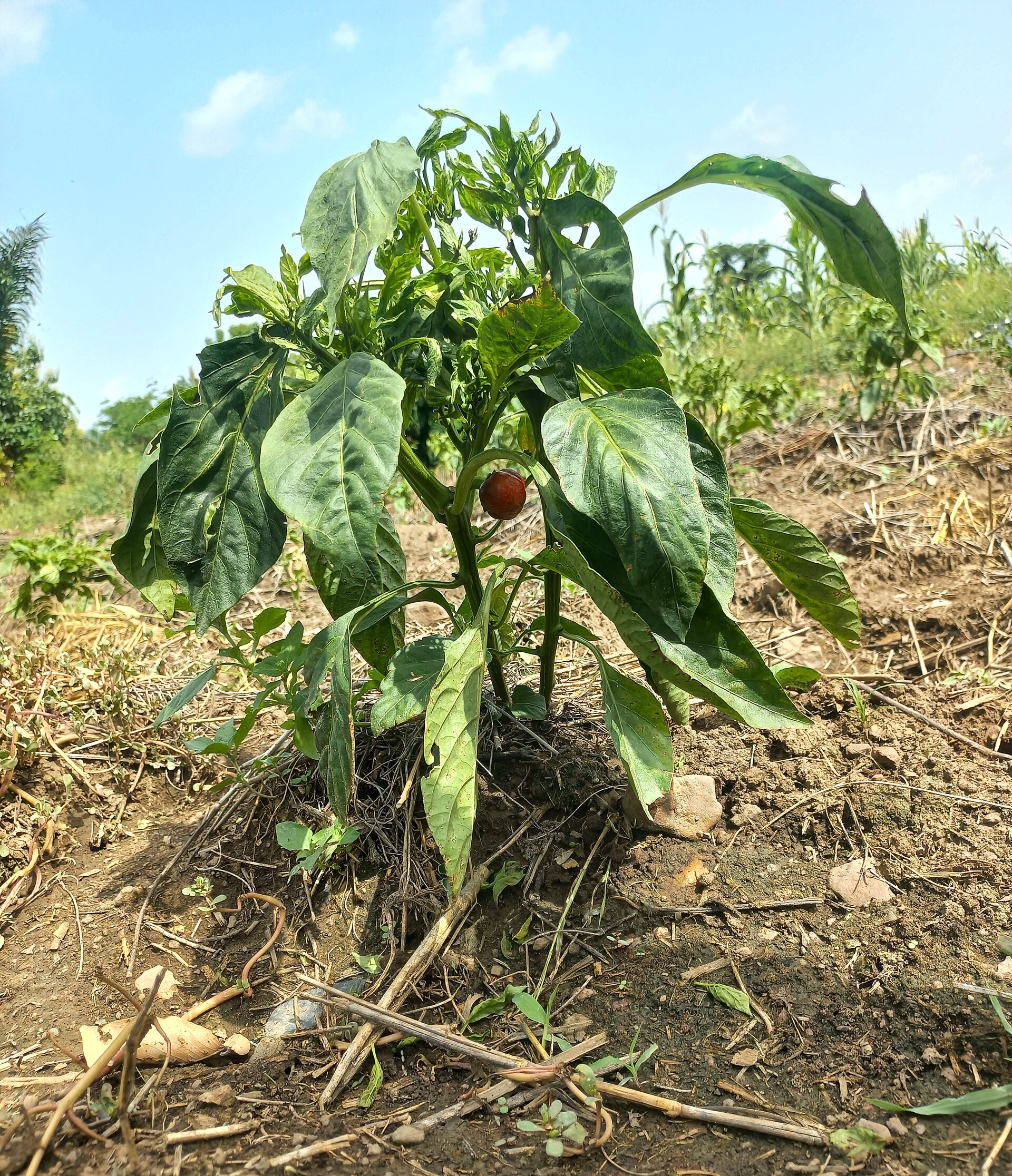
Few ingredients are as central to Nigerian cooking as pepper, and few have swung as wildly in price. The fiery scotch bonnet known as rodo, together with tatashe and shombo, forms the base of stews and sauces in almost every home, which is why a supply shock in the pepper belt lands so hard on household budgets.
A Rare Pest, a Ruined Harvest
The trigger was biological. A rare pest outbreak decimated pepper output and created an acute scarcity that drove prices sharply higher, with a 25kg bag of rodo selling for an average of ₦120,000 in Lagos, four times its level a year earlier, according to BusinessDay. In Kano, the biggest growing state, the same report found a 25kg bag had soared 567 per cent in a year, and even greenhouse farms, normally more resilient, had not been spared. Traders described rationing stocks and scrambling for fresh supplies as the shortage rippled down the chain.
Prices That Refuse to Settle
The volatility did not end there. By March 2026, a market survey found a medium bag of pepper had jumped from ₦32,000 to ₦80,000 and a big bag from ₦58,000 to ₦140,000 in a single month, increases of about 141 and 150 per cent, as Nairametrics reported, with traders blaming seasonal scarcity, weaker inflows from northern farms and a sharp rise in transport costs. Pepper and other perishables have remained the most unstable items on Lagos shelves, with major hubs such as Oyingbo and Mile 12 reporting frequent swings tied to inconsistent supply and high haulage costs, according to Independent.
More Scarcity on the Horizon
The warnings are not over. Agriculture experts have cautioned that Nigeria could face fresh shortages of rice, tomatoes, peppers and onions within about three months, noting that onions and peppers are already becoming scarce in major producing areas and pushing prices up in urban markets, according to Legit.ng. The same report noted that fresh pepper was among the items the National Bureau of Statistics flagged as driving food inflation, and urged investment in improved seeds, irrigation, cold storage, rural roads and farm security ahead of the next planting season to steady supply.
Pepper sits at the centre of the Nigerian plate, so its price swings are felt at almost every meal. FoodPrices Nigeria tracks verified retail prices for pepper and other staples across Lagos markets, giving households a clear read on when a shortage is biting and when relief has arrived.
#Pepper, #Rodo, #FoodInflation, #Scarcity, #Nigeria, #Lagos, #FoodPrices, #Agriculture, #Vegetables, #Farmers