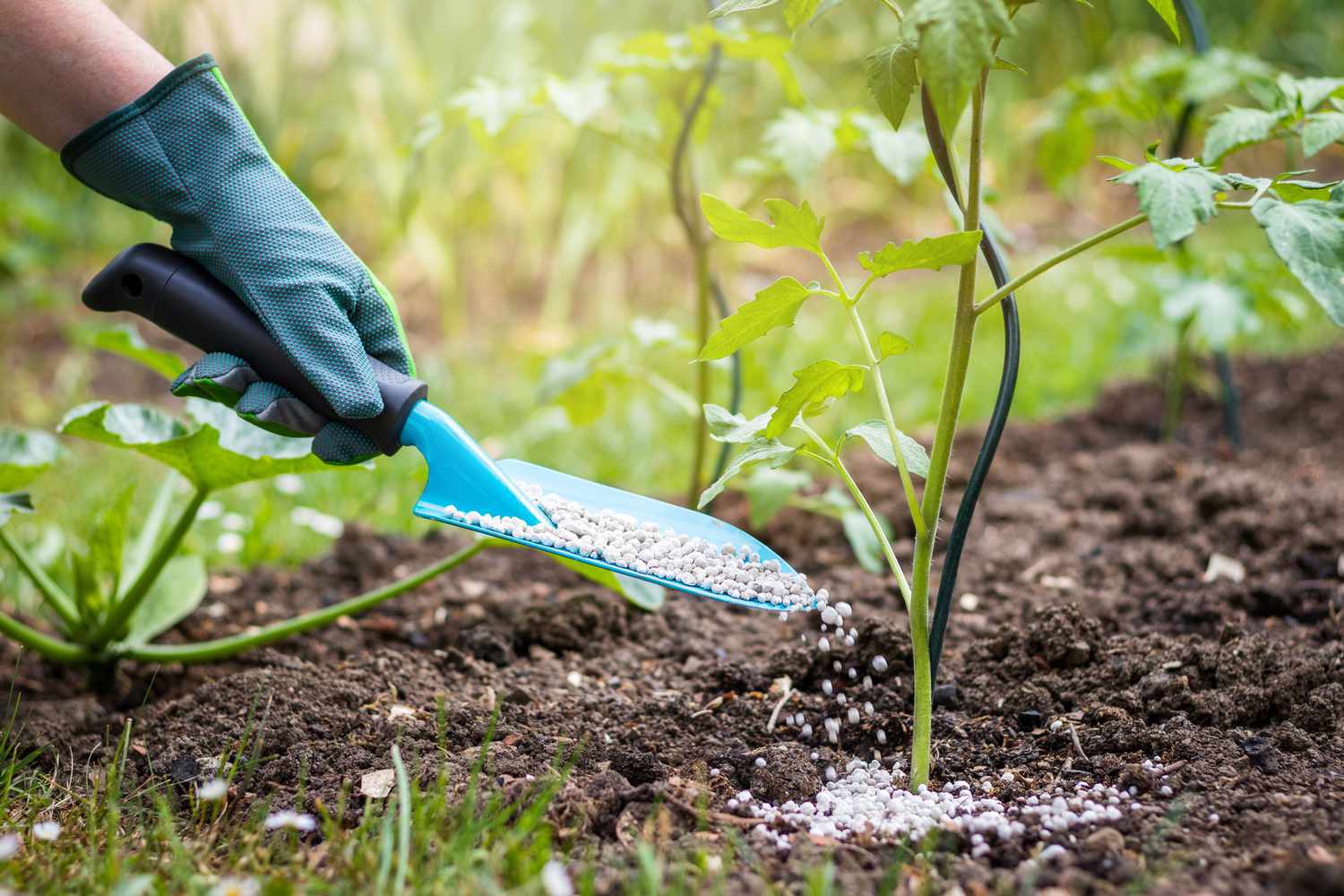
Nigerian farmers have spent more than a decade applying fertiliser with little authoritative guidance on how much to use, when, or on which soil. That gap has now been addressed. The National Agricultural Development Fund, working with the Farm Input Support Services, has unveiled the Harmonised Fertiliser Recommendations for Nigeria, 2026 Edition, the country's first national fertiliser recommendation manual in more than a decade, according to BusinessDay.
A Gap Since 2012
The Chairman of the Editorial Committee, Professor Christogonus Daudu, said the new guide fills a major gap left since the last national fertiliser manual was issued in 2012 by the then Fertiliser Procurement and Distribution Department, now operating as Farm Input Support Services, according to The Nation. For years without updated guidelines, farmers operated with limited information on fertiliser rates, application timing and nutrient management, which the committee linked to poor yields, inefficient fertiliser use and declining soil fertility across farming communities, according to BusinessDay.
Built on Science, Aimed at Soil
The first edition covers five strategic crops, maize, rice, wheat, cassava and cowpea, and is the first phase of a broader national input application guide covering all crops and farm inputs, according to The Sun. The NADF Executive Secretary, Mohammed Ibrahim, said the work began in April 2025 and ran through a series of technical workshops and validations from June 2025 to February 2026, bringing together the Fertiliser Producers and Suppliers Association of Nigeria, the OCP Group and the International Fertilizer Development Center to develop scientifically validated recommendations tailored to Nigeria's soils, according to New Telegraph and The Guardian.
Yields That Must Also Pay
The Minister of Agriculture and Food Security, Senator Abubakar Kyari, welcomed the manual but cautioned that higher yields must remain profitable, warning that if farmers spend more than the value they gain, the economic objective is defeated, according to BusinessDay. He noted that Nigeria has about 70 million hectares of arable land but only around 30 million hectares under cultivation, underscoring the room to raise output, according to The Nation. To reach farmers, the committee recommended translating the guide into major Nigerian languages and deploying digital extension tools such as interactive voice response systems, according to BusinessDay.
Smarter fertiliser use means more grain from the same land, which over time eases pressure on food prices. FoodPrices Nigeria tracks verified retail prices across Lagos markets, where the payoff from healthier soils and better yields would show up in steadier supply.
#Fertiliser, #SoilHealth, #NADF, #FoodSecurity, #Agriculture, #Nigeria, #Lagos, #FoodPrices, #Farmers, #Yields