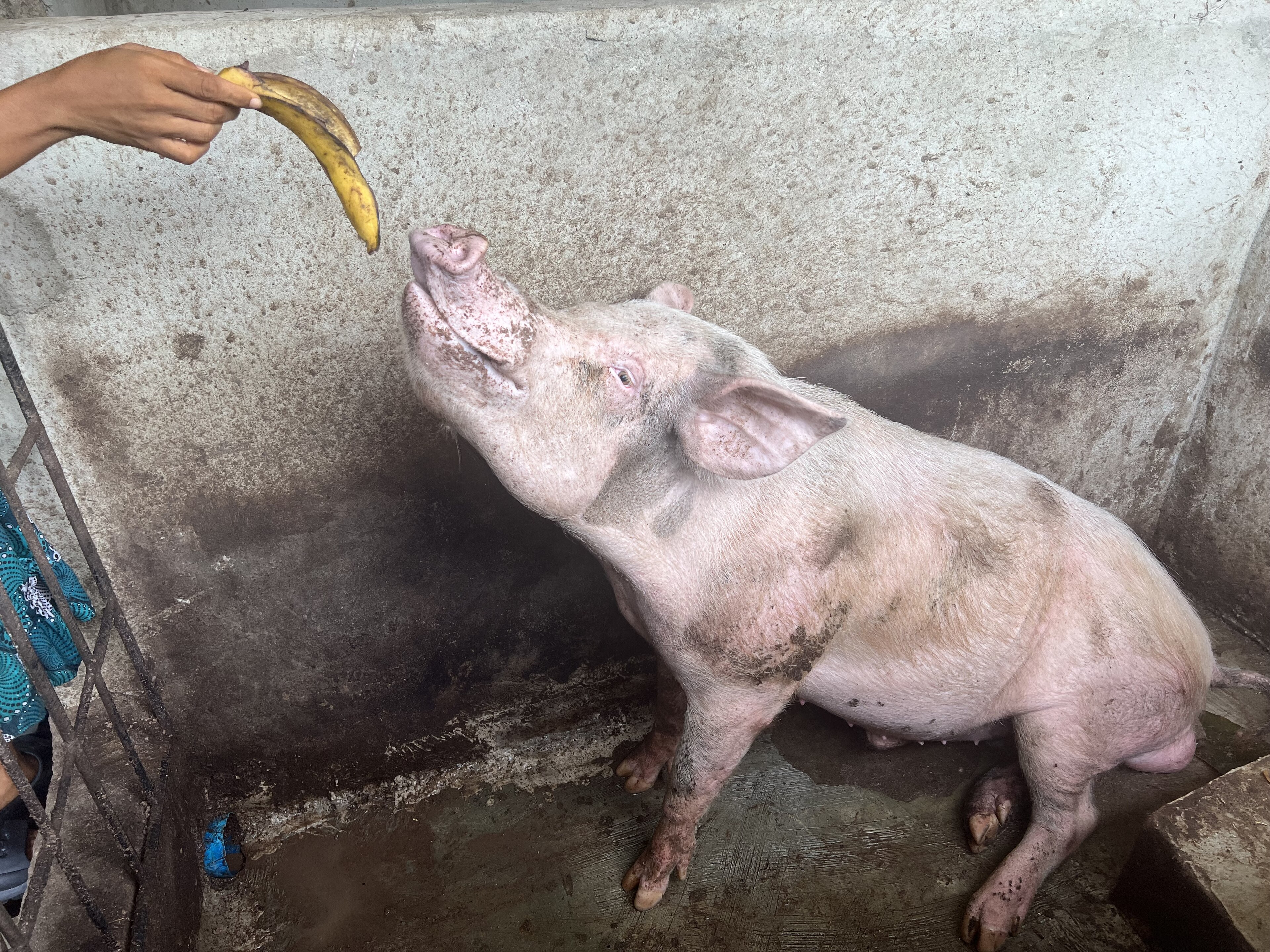
Pork is one of the cheaper animal proteins on many Nigerian plates, but the industry behind it is one of the most fragile in the country's food system. The recurring culprit is African swine fever, a highly contagious viral disease that kills almost every pig it infects and has repeatedly devastated Nigerian herds.
A Fever That Empties Farms
The scale of the losses can be staggering. During one major outbreak, the Oke-Aro pig settlement outside Lagos, described as one of the largest pig farming estates in West Africa, lost more than 145,000 pigs, according to The Conversation, which noted that the death rate outpaced anything seen in more than a decade and that some farms lost hundreds of animals within 24 hours. The same analysis estimated that Nigeria and neighbouring Ghana consume around $3 billion worth of pork each year, and that Nigeria produced about 283,793 tonnes of pig meat in 2018, underlining how much affordable protein is at stake when the disease strikes.
Small Farms, Weak Defences
Nigeria's pig population is large but mostly held in smallholder and cluster settlements with thin biosecurity. A field investigation into a 2026 outbreak in a multi-farm pig cluster at Gudugba in Ewekoro, Ogun State, recorded an attack rate of 69.5 per cent and traced the rapid spread to weak biosecurity, unrestricted pig movement and communal slaughter facilities, according to the Direct Research Journal of Veterinary Medicine and Animal Science. Those conditions are common across the country, where pigs are frequently moved and slaughtered in shared spaces that let the virus jump quickly from farm to farm.
A Growing Sector Held Back
The tragedy is that the industry has real momentum. Annual pork production across Africa grew from under a million tonnes in 2000 to more than two million tonnes by 2021, with disease outbreaks, especially African swine fever, standing out as the main constraint on further growth, according to a review in Animal Bioscience, which noted that Nigeria and South Africa record among the highest pork yields per animal on the continent. Nigeria's broader livestock sector, valued at around ₦30 trillion, counted roughly 9.2 million pigs in a recent national census, according to industry data compiled by FutuX Agri-consult.
Searching for a Shield
Since the first confirmed outbreak in 1997, Nigeria has battled repeated waves of the virus, and researchers have moved to validate a National African Swine Fever Control Strategy and behaviour-change materials aimed at helping farmers protect their herds, according to the Pan African Medical Journal, which described the sector's prospects as boundless if funding, improved breeds and biosecurity can be put in place. For now, the gap between that potential and the reality on the ground is measured in dead pigs and lost livelihoods, with each outbreak removing a cheap protein source and pushing survivors to downscale.
When an outbreak wipes out tens of thousands of pigs, the shortfall lands on butchers, traders and shoppers as scarcer, pricier meat. FoodPrices Nigeria tracks verified retail prices across Lagos markets and follows the shocks, from disease to feed costs, that decide how affordable protein remains for ordinary households.