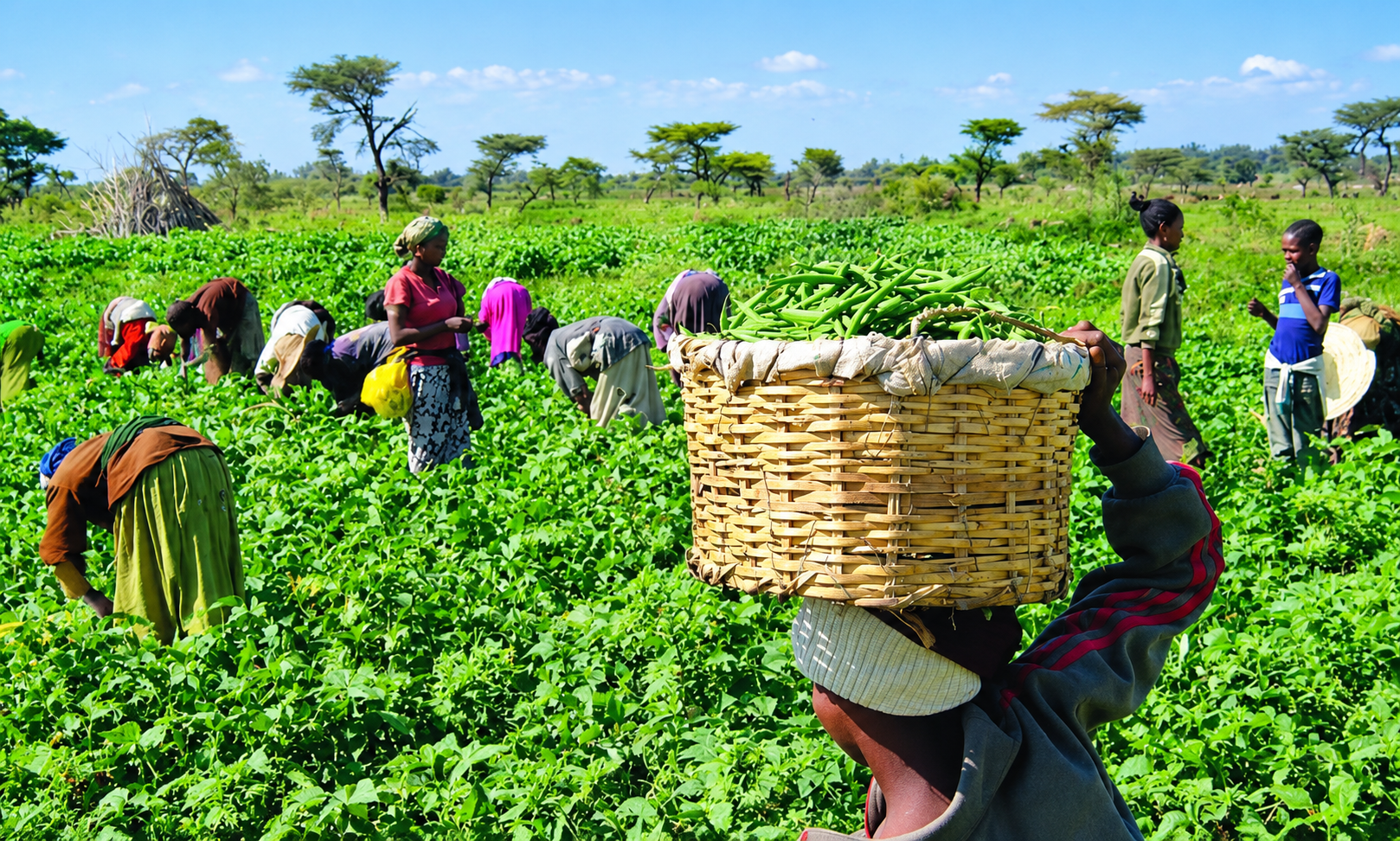
Nigeria is moving to rebuild farming in its troubled north with a large, donor-backed programme designed to link smallholder farmers to markets rather than leave them stuck at subsistence level. The Federal Government, the International Fund for Agricultural Development and the French Development Agency are rolling out the Value Chain Programme in Northern Nigeria, a $183.1 million intervention, according to Daily Trust.
Who Pays, and Who Gains
The financing is shared across the partners, with IFAD providing about $86.7 million, the French Development Agency $78.2 million, the Federal Government $12 million and the benefiting states $8 million, according to AgroNigeria. The programme is expected to directly reach an estimated 456,000 smallholder farmers and rural entrepreneurs, with 40 per cent women, 60 per cent youth, 10 per cent people with disabilities and 5 per cent internally displaced returnees, and to indirectly support around 3.1 million households, the same report noted. Other reporting puts the potential reach at up to 3.6 million farmers and rural entrepreneurs, according to Nigeria Startup Act.
Nine States, Eight Years
The eight-year flagship intervention runs from 2026 to 2034 and covers Bauchi, Borno, Jigawa, Kano, Katsina, Kebbi, Sokoto, Yobe and Zamfara, according to the News Agency of Nigeria and Premium Times Gazette. The programme was declared effective on March 12, 2026, and builds on an earlier intervention, the Climate Change Adaptation and Agribusiness Support Programme, with Kano added to strengthen links to a major regional produce market, according to Vanguard.
From Farm to Market
The Minister of State for Agriculture and Food Security, Aliyu Abdullahi, described the programme as a strategic response to poverty, unemployment and food insecurity in the north, anchored on building efficient and competitive value chains, according to the News Agency of Nigeria. He said the goal is to move beyond primary production toward resilient value chains where farmers are linked to markets, value is added locally and post-harvest losses are minimised, according to Nigeria Startup Act. The IFAD Country Director, Dede Ekoue, has framed the intervention as a foundation for climate resilience, with capacity-building already under way to help federal and state actors mobilise climate finance, according to EnviroNews. The programme development objective, as set out by IFAD, is to improve food and nutrition security and household incomes through inclusive, climate-resilient value chain development, according to IFAD.
The north grows much of what Nigeria eats, so whether this money reaches farmers and lifts output will eventually register in markets far to the south. FoodPrices Nigeria tracks verified retail prices across Lagos markets, the ground-level test of whether programmes like this ease the cost of food.