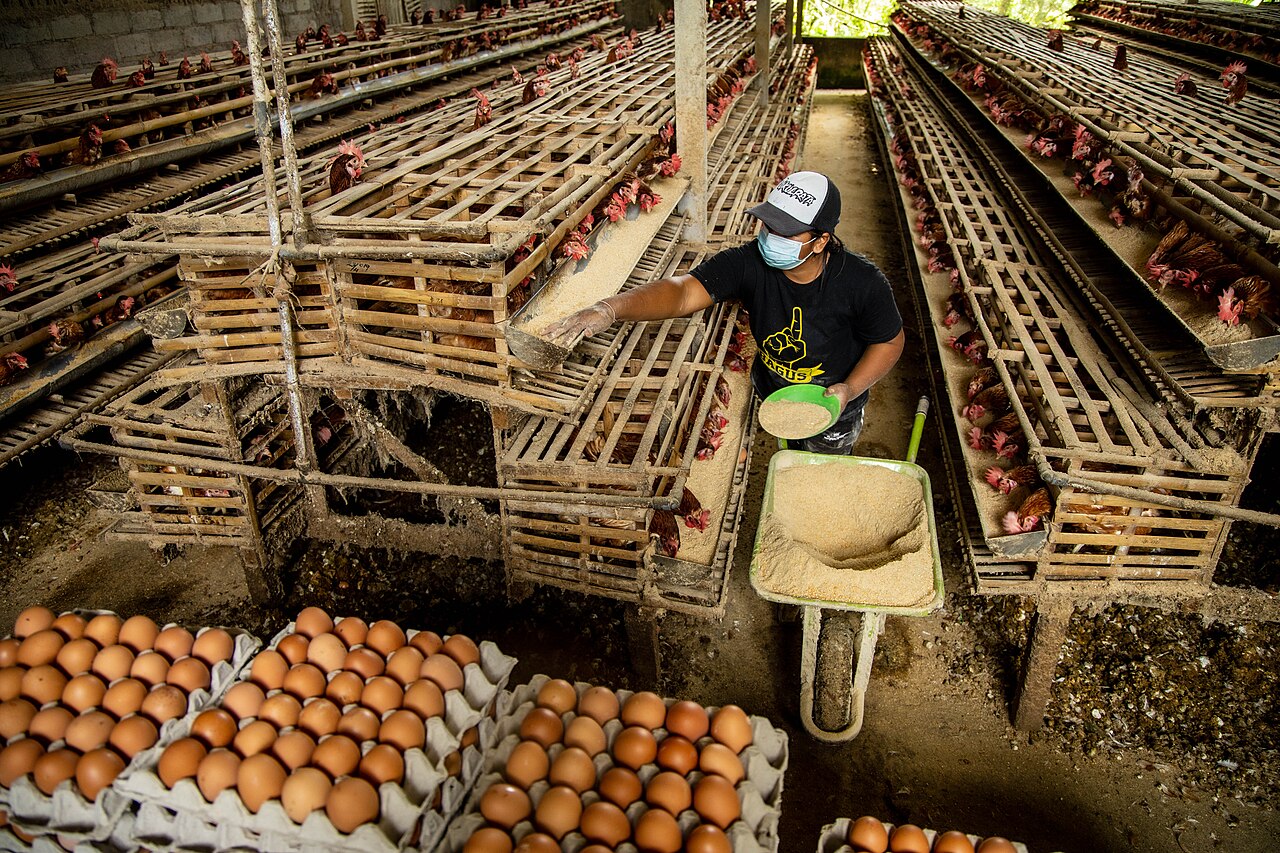
The Federal Government, in partnership with China, is planning a $900 million investment in large-scale poultry projects to lift egg and broiler output and curb dependence on imported animal protein, according to BusinessDay. The plan was disclosed by Joseph Tegbe, Director-General and Global Liaison for the Nigeria–China Strategic Partnership.
Six Zones, Six Farms
The initiative involves six integrated poultry farms, one in each of Nigeria's six geopolitical zones, each designed to produce one million eggs a day, which adds up to six million daily once fully operational, Tegbe told BusinessDay. Each farm is expected to run one million laying hens and 300,000 broilers. The pilot phase has begun across Enugu, Kaduna and Oyo states, with nationwide expansion planned for 2027, according to Poultry World.
Who Funds It
The first two pilot farms will be fully financed by the Nigerian government, while the remaining four, costing about $656 million, will be funded through an 85-15 arrangement with Chinese investors, with China providing 85 per cent and Nigeria contributing 15 per cent as counterpart funding, BusinessDay reported. The funding carries a 10-year repayment structure and a three-year moratorium. About half of the feedstock produced at the integrated farms will be made available to smaller poultry farmers at subsidised prices, and the pilot pairs poultry rearing with large-scale maize and soybean cultivation to secure feed supply, Poultry World noted.
The Egg Math
Eggs sell for between ₦250 and ₦300 each across Nigeria, putting a daily egg out of reach for many households. Tegbe illustrated the squeeze with a worker earning ₦150,000 a month who would need nearly ₦50,000 just to provide one egg a day for a household of six, before rice, garri or bread, according to BusinessDay.
FoodPrices Nigeria tracks egg and other protein prices across Lagos markets, where a sustained jump in domestic supply would show up first in what shoppers pay.