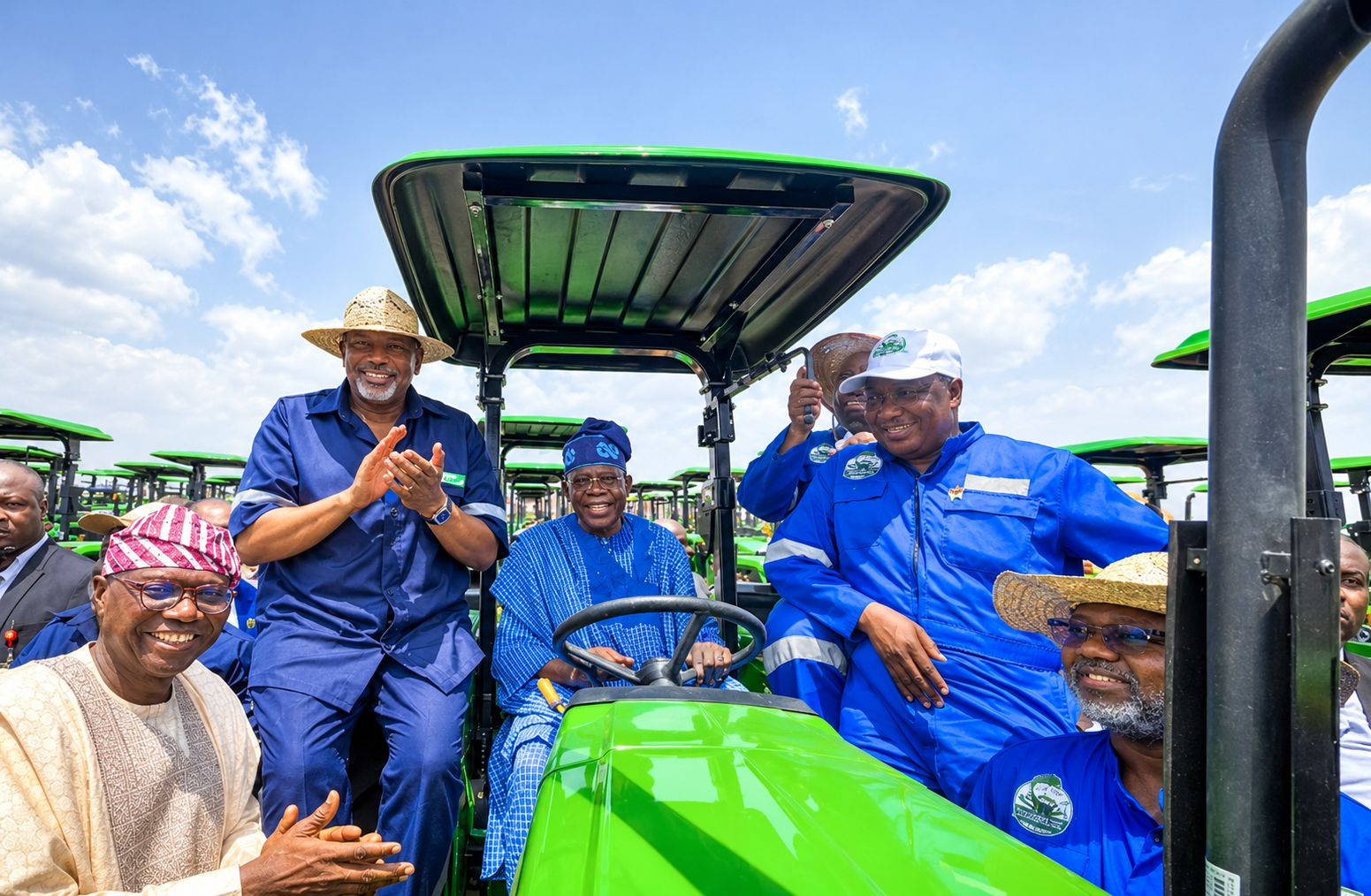
A single tractor costs about ₦80 million, a price no individual smallholder can meet, speakers told a two-day symposium and exhibition organised by the Lagos Chamber of Commerce and Industry, Vanguard reported on 1 October 2026. Their proposed solution is to group farmers into clusters large enough to share modern equipment.
From Subsistence to Industry
The central argument at the event was that Nigerian agriculture must industrialise to create jobs, improve food security and grow exports. Nurudeen Olusiji, representing the Bank of Agriculture, framed it as a break with the past: "By the time we industrialize this sector, we will know that at least we have left that subsistence nature."
Patience Afanide, representing the Nigerian Export Promotion Council, said the gains would spread beyond the farm. "Industrialization will stimulate other economic sectors, and it will stimulate the export sector," she said.
Food Security as National Security
Tolulola Olumide, Executive Director of Funtuna Ventures and Animal Care Services Konsult Nigeria Limited, tied the issue to safety. "When we talk about food security, we're talking about national security. We're talking about public safety," she said.
Olusesan Ayeni, Executive Director of Corporate Services at Origin Tech Group, said infrastructure must come first. "We need to bring that policy back where there is deliberate effort to build roads, seaport," he said.
Why Clusters Matter
Aggregation answers the tractor problem directly. One farmer cannot finance an ₦80 million machine, but a cluster of farmers working adjacent land can share its cost and keep it busy through the season. Larger, organised units also find it easier to borrow, buy inputs in bulk and sell to processors on contract.
Mechanisation matters for prices because hand labour limits how much land a family can plant and how quickly it can harvest. Farms that cannot expand cannot respond when demand rises, which leaves supply short and prices high.
FoodPrices Nigeria tracks the prices that reach Lagos consumers, and will follow whether efforts to scale up farming translate into steadier supply in the markets it monitors.