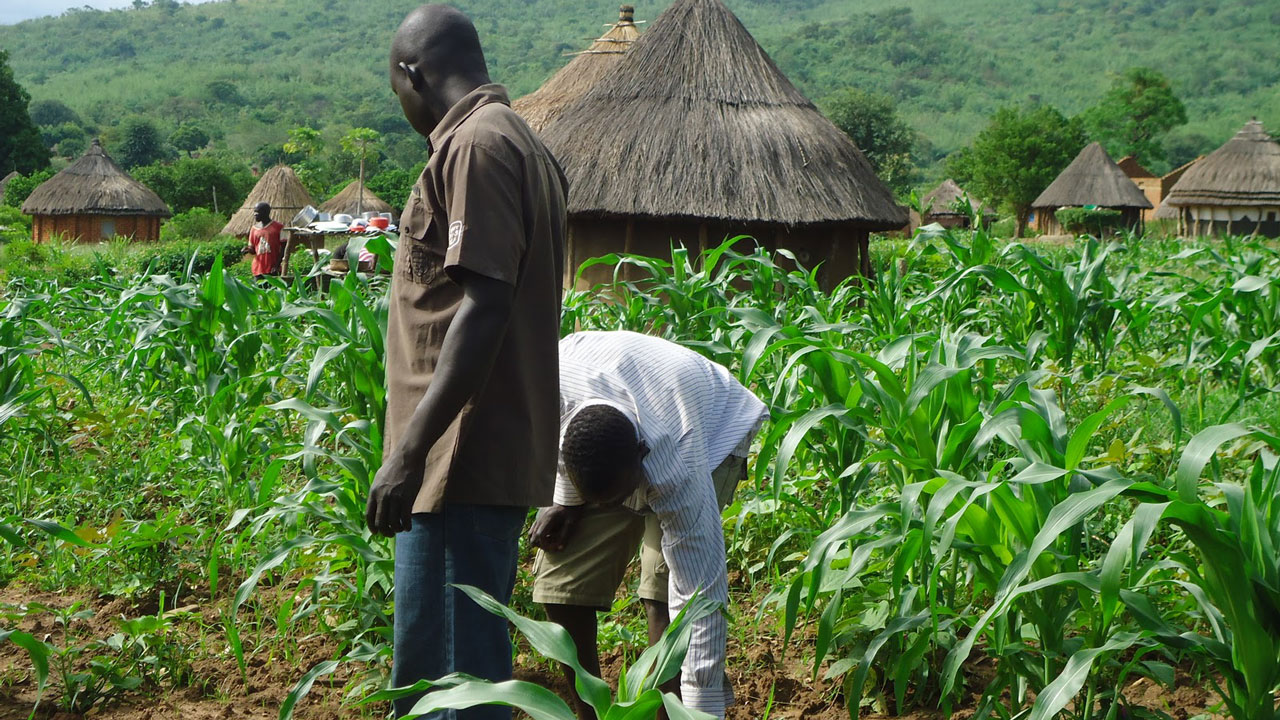
Access to affordable credit remains one of the hardest barriers for Nigerian farmers to clear, so a project that has moved billions into their hands is worth marking. More than 100,000 farmers across 10 states have accessed ₦61 billion in credit over eight years, from 2018 to 2026, under the Global Project on Promotion of Agricultural Finance for Agri-based Enterprises in Rural Areas, known as GP AgFin Nigeria, according to Daily Trust.
Products That Outlast the Project
The initiative's most durable legacy may not be the money but the machinery it built to keep lending flowing. The project developed 22 agricultural finance products, 19 of which have been permanently integrated into the portfolios of partner financial institutions, according to Daily Trust. It also produced eight knowledge products, trained more than 40 certified trainers and reached over 1,100 students in colleges of agriculture, seeding the skills that agricultural lending needs to survive.
Why Farm Credit Is So Scarce
The context makes the figure matter. Nigerian farmers routinely cite the cost and shortage of finance, alongside high input prices, as the constraints holding back the 2026 season, according to BusinessDay. Formal lenders have long treated smallholder agriculture as too risky and too costly to serve at scale, which pushes many farmers toward informal lenders charging steep rates, and leaves productivity-raising inputs out of reach.
Credit decides whether a farmer can buy better seed, fertiliser and equipment, and that in turn feeds into how much food reaches the market. FoodPrices Nigeria tracks verified retail prices across Lagos markets, where the results of stronger farm finance eventually show up in supply and price.
#AgriFinance, #Farmers, #Credit, #Agribusiness, #Nigeria, #Lagos, #FoodPrices, #RuralDevelopment, #FoodSecurity