Nigeria's food security position has deteriorated faster than projected, with the latest Cadre Harmonisé analysis showing sharp increases in the number of people unable to access sufficient food, and a humanitarian response plan that is running out of money before the lean season peaks.
The Northeast Figures
The analysis, published by FAO Nigeria on 6 July 2026, places 6.4 million people in Borno, Adamawa and Yobe states in need of immediate life-saving food and livelihood aid, including more than 1.1 million in Phase 4 Emergency and 10,300 in Phase 5 Catastrophe. Borno is the worst affected state in the region, with 760,000 people in Emergency and pockets of population in catastrophe across nine local government areas. The underlying Cadre Harmonisé results are published through the Nigeria Food Security Cluster.
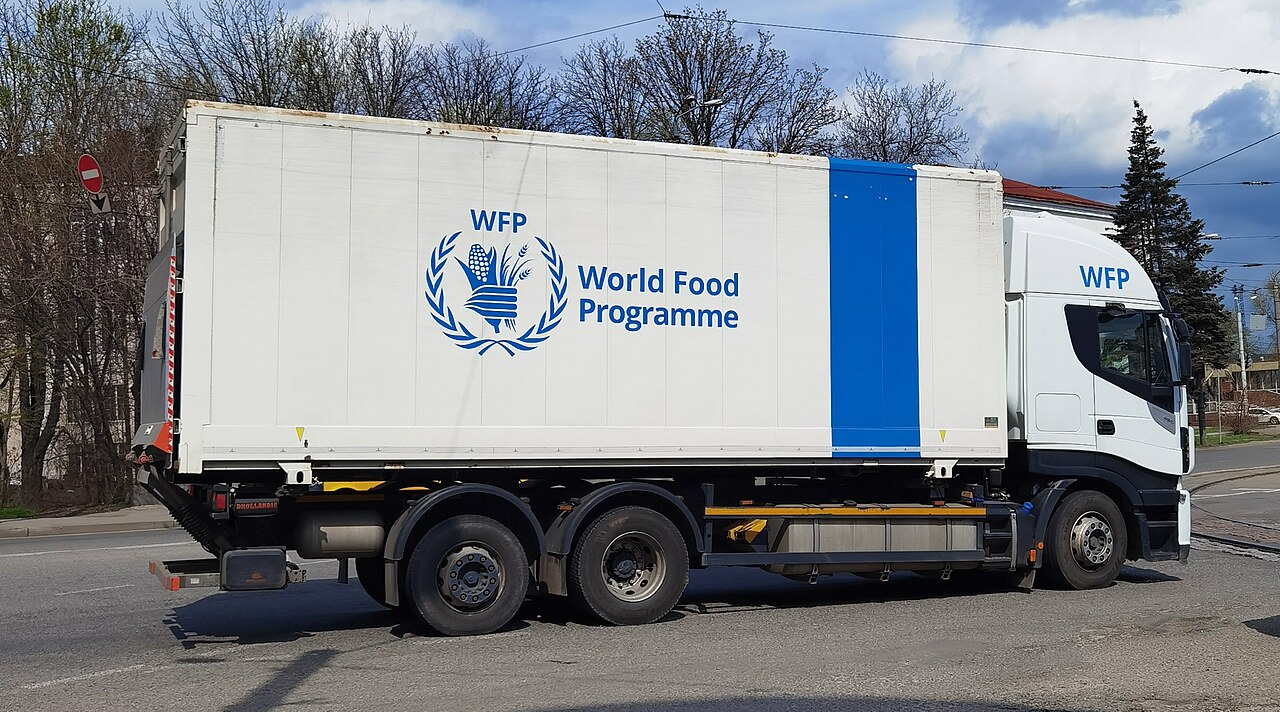
The World Food Programme reported that more than 17 million people across nine conflict-affected northern states are in crisis, emergency or catastrophic hunger, an increase of almost two million since the previous projection, and that the national total of food insecure people has risen to 36.2 million.
Why It Is Getting Worse
The drivers are stacked rather than singular. FAO attributes the deterioration to persistent conflict and insecurity including insurgency, banditry, kidnappings and farmer-herder conflicts that disrupt livelihoods and markets while restricting movement, combined with currency depreciation and inflation eroding purchasing power, and projected climate shocks expected to undermine agricultural production in the coming months. Household food stocks across the northeast have been depleted and consumption gaps are widening, with acute malnutrition critical in Borno and Yobe, and internally displaced persons, returnees, pastoralists and female-headed households the most affected groups.
WFP Country Director for Nigeria Katrien Ghoos said the analysis shows that "food insecurity in northern Nigeria is deepening at a pace that demands urgent attention", and warned that needs are rising faster than available resources.
The Funding Gap Is the Story
The Food Security Sector requires $224.4 million in 2026 to support 1.5 million people needing food assistance and 900,000 people needing urgent agricultural inputs. As of mid-June the plan remained around 71 percent underfunded, with the agriculture component the least funded of all at a 96 percent gap, while the food assistance shortfall stood at 67 percent.
That distribution matters. The component designed to help households grow their own food next season is the one almost entirely unfunded. FAO Representative in Nigeria Hussein Gadain argued that supporting local food production and income generation is critical to preventing further deterioration and reducing dependency on humanitarian assistance, and that investment in climate-resilient agriculture, livelihood recovery and early warning systems is needed to prevent millions more sliding deeper into hunger.
The Wider Projection
Save the Children Nigeria Country Director Duncan Harvey told the Humanitarian Xchange Abuja 2026 conference that 36.2 million people across 26 states and the Federal Capital Territory are projected to face acute food and nutrition insecurity between June and August, with two million in Emergency levels, as reported by allAfrica. Tribune Online reported WFP figures putting the northern hunger crisis at its worst in nearly a decade, with more than three million acutely food insecure in Borno alone and over 750,000 in severe conditions.
Government Position
Launching the analysis on behalf of the Federal Government, Permanent Secretary for the Federal Ministry of Agriculture and Food Security Marcus Ogunbiyi described the findings as a stark reminder of the scale and urgency of the challenge, and said the government is working with state governments, development partners, humanitarian agencies and the private sector to expand food assistance and address underlying drivers.
Insecurity in the north is not a regional story for southern consumers. Land that is not farmed in Borno, Zamfara or Benue produces no grain for the trucks that move south, and the shortfall arrives in Lagos as price. FoodPrices Nigeria captures verified prices from analysts working fourteen Lagos markets, and those numbers are the point where a national production failure becomes a household's weekly problem.
#CadreHarmonise, #FoodSecurity, #FAO, #WFP, #Nigeria, #BornoState, #NortheastNigeria, #Malnutrition, #HumanitarianFunding, #FarmerSecurity, #FoodPrices, #LeanSeason