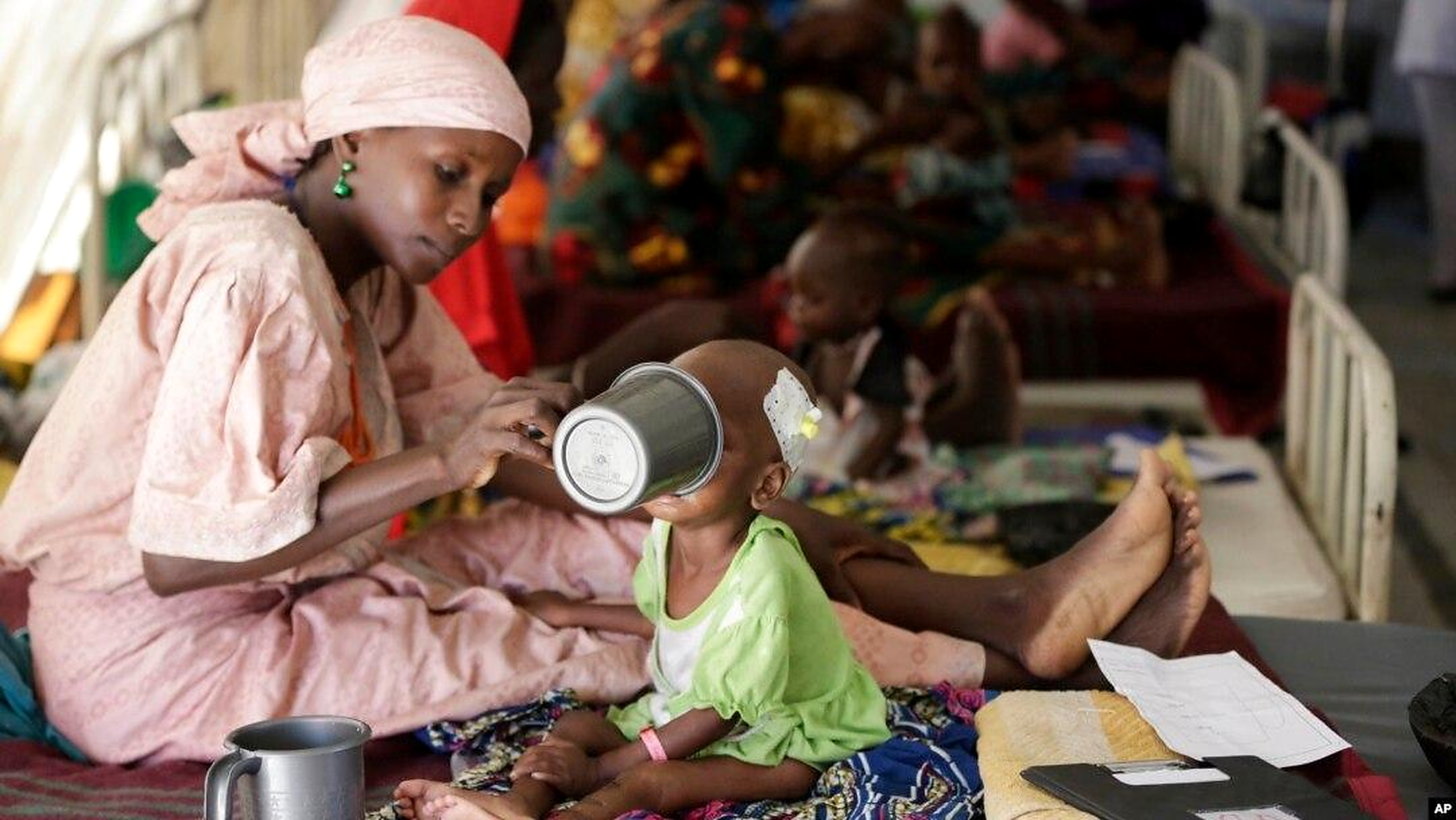
About 33.5 million people in 26 states and the Federal Capital Territory are projected to face crisis-level food insecurity or worse between June and August 2027, according to the October 2026 Cadre Harmonisé analysis, BusinessDay reported on October 31, 2026. The figure includes 891,228 internally displaced people in Borno, Sokoto and Zamfara.
The Federal Ministry of Agriculture and Food Security produced the analysis with technical support from the Food and Agriculture Organization (FAO) and other partners, and presented the results in Abuja.
26.8 Million in Crisis Now
For the current period of October to December 2026, the analysis puts 26.8 million people in crisis-level food insecurity or worse, including 756,815 displaced people in Borno, Sokoto and Zamfara, Chronicle reported. The projected lean-season figure is 25% higher than the current one, even though the October to December window follows the main harvest.
Borno, Yobe, Adamawa, Katsina, Zamfara and Sokoto show the most severe food consumption problems. The analysis blamed conflict and insecurity, displacement, rising fuel prices, climate shocks and high food inflation, and warned that acute malnutrition could worsen among children under five and pregnant and breastfeeding women.
Assistance Needed to Stop the Slide
"Timely food assistance, targeted cash transfers and livelihood support will be essential to limit further deterioration," the report said, according to Daily Trust. Daily Trust said the report also expects falling household food stocks, high food prices and weaker purchasing power to shape the 2027 outlook.
FAO Representative Dr Hussein Gadain, represented at the event by Jimmy Owani, described the Cadre Harmonisé as "a government-led process, with partners playing a supportive role," Daily Trust reported. He said the findings give government and partners evidence to anticipate food security challenges and prioritise investment.
Ten States Still Outside the Analysis
Permanent Secretary Dr Marcus Ogunbiyi said the ministry is working to raise food production and improve farmers' access to inputs and finance, citing the Renewed Hope Farm Input Support Programme, the Renewed Hope Agricultural Mechanisation Programme and the Special Agro-Industrial Processing Zones. He also said "10 states were yet to be fully integrated into the Cadre Harmonisé analysis process," Chronicle reported, and asked partners to support data collection.
The projection adds to other recent warnings. Nigeria scored 34.3 on the 2026 Global Hunger Index, the largest rise of any country since 2018, and food inflation stood at 19.59% in September 2026, Nairametrics reported.
FoodPrices Nigeria tracks staple prices across Lagos markets. Supply shocks in the northern states named in the analysis feed into the prices of grains, beans and other staples traded in Lagos.
Editor Notes (do not publish): I could not open the official Cadre Harmonisé fiche or an FAO release; all figures come from BusinessDay, Chronicle, Tribune and Daily Trust, which carry the same numbers. BusinessDay says Owani represented ECOWAS, while Daily Trust says he spoke for Gadain; I followed Daily Trust. I could not open a source for last year's projection (34.7 million for June to August 2026), so I made no year-on-year comparison. The 25% figure is my calculation from 26.8 million to 33.5 million.